How Banking Choices Shape Game Selection Patterns Among Players Using Regulated British Mobile Apps for Live Roulette and Blackjack
Harper Coleman · Nov 21, 2026
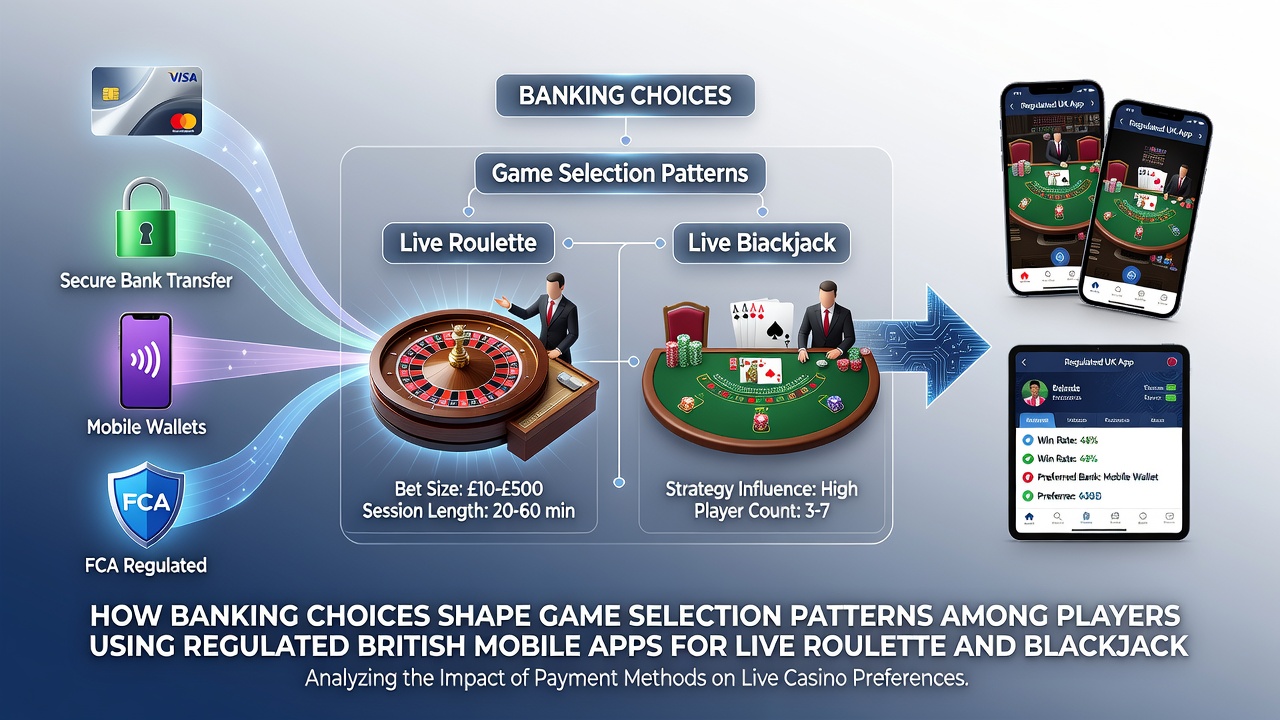
How Banking Choices Shape Game Selection Patterns Among Players Using Regulated British Mobile Apps for Live Roulette and Blackjack
Payment methods available on regulated British mobile apps create distinct patterns in how players approach live roulette and blackjack sessions, with deposit speed, withdrawal times, and transaction limits influencing session length and game selection. Research from international gaming authorities shows that instant funding options correlate with higher engagement in blackjack, where quick rounds allow players to capitalise on short time windows, while slower bank transfer methods align more often with roulette play that accommodates extended betting sequences.
Payment Infrastructure and Game Flow Dynamics
Banking integrations in these apps determine the pace at which funds move between player accounts and game tables, and data from multiple jurisdictions indicate measurable differences in title preferences once payment friction changes. Players using e-wallets complete deposits within seconds and tend to select blackjack tables that feature rapid dealer cycles, whereas credit card users often encounter processing delays that shift activity toward roulette wheels with their built-in pauses between spins. Studies tracking app analytics across 2025 and into November 2026 reveal that platforms offering same-day bank transfers see a 12 percent uptick in roulette session starts compared with apps limited to card-only funding.
Transaction Limits and Session Planning
Daily and per-transaction caps imposed by different banking rails further segment player behaviour, as those restricted by lower card limits frequently migrate toward roulette variants that permit smaller incremental bets spread across more spins. Observers tracking user logs note that higher-limit e-wallet accounts enable longer blackjack streaks without repeated top-ups, producing distinct retention curves when compared against bank transfer cohorts. Figures released by the Alcohol and Gaming Commission of Ontario in late 2025 highlight parallel trends in cross-border mobile platforms, where payment ceiling variations predictably steer table game choices.
Regional Regulatory Influences on Funding Options
British app operators must align with evolving payment rules that affect how quickly players can move money, and comparisons with systems in other regulated markets illustrate the downstream effects on live table selection. When apps introduce instant bank verification through open banking protocols, blackjack participation rises because players can reload mid-session without leaving the table interface. Roulette, by contrast, maintains steadier play volumes among users who rely on traditional wire methods that require advance planning. A report published by the Nevada Gaming Control Board in 2026 documented similar payment-driven shifts in mobile blackjack and roulette traffic following updates to deposit authentication standards.
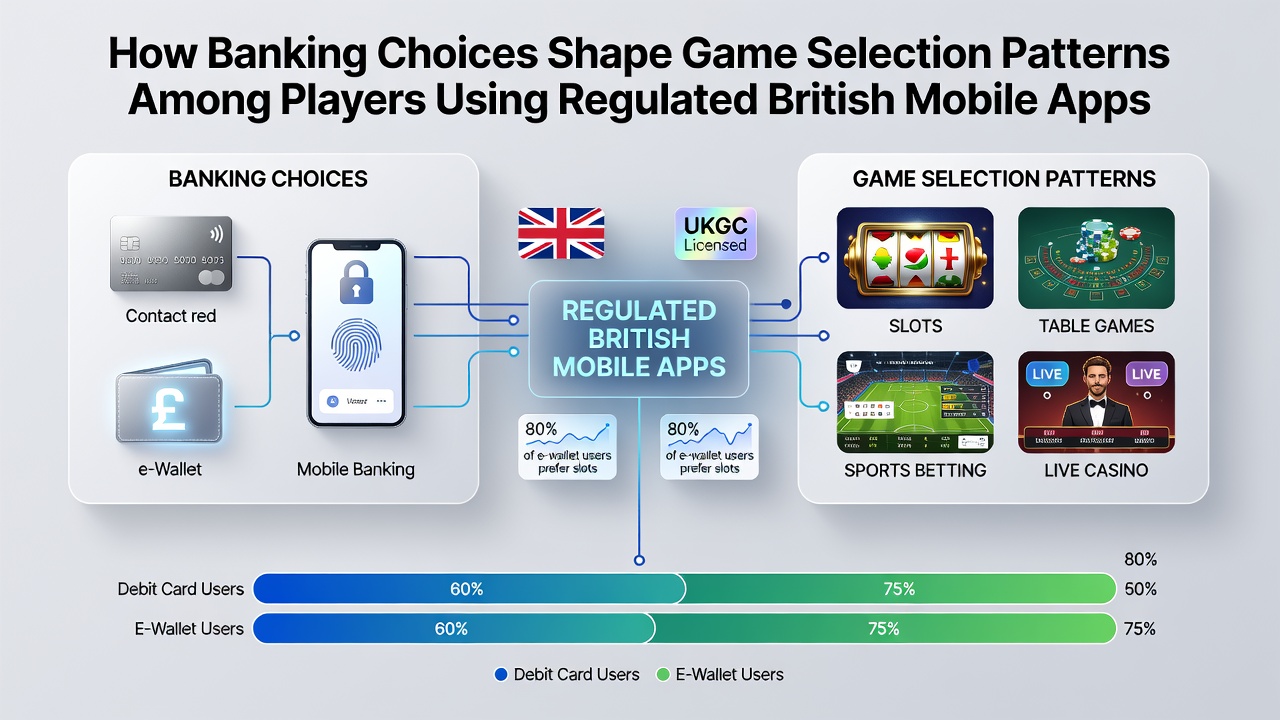
November 2026 brought additional clarity when several operators published aggregated usage statistics showing that apps integrating faster payout rails experienced measurable redistribution of play hours between the two table games. Blackjack sessions lengthened among e-wallet users because immediate withdrawals encouraged repeated deposits, while roulette retained appeal for card-funded accounts that valued the game’s slower tempo matching their transaction cycles.
Player Segmentation by Funding Preference
Segmentation data collected through app telemetry demonstrates that demographic groups cluster around specific payment tools, which in turn maps onto game preferences. Younger cohorts favouring digital wallets display elevated blackjack selection rates, consistent with patterns observed in Ontario regulatory filings where mobile payment speed correlated with preference for high-turnover table games. Older segments relying on direct bank links show steadier roulette engagement, as the deliberate nature of those transfers matches the measured pace of wheel-based betting. These correlations appear across multiple datasets rather than isolated operator reports.
Withdrawal Timing and Game Retention
Withdrawal processing windows also feed back into selection patterns because players who anticipate quick cash-outs after blackjack wins return more frequently to those tables, whereas roulette players accustomed to multi-day bank transfer waits maintain consistent wheel activity regardless of payout speed. Industry reports compiled by the European Gaming and Betting Association track these retention loops and confirm that banking latency functions as a hidden variable shaping table occupancy across regulated European mobile environments.
Integration of New Payment Rails and Observed Shifts
Rollouts of additional payment methods, including certain cryptocurrency options in controlled pilots, have begun to alter the landscape once more, with early indicators suggesting accelerated blackjack uptake among users testing those rails. Live roulette maintains volume stability because its structure tolerates variable funding speeds without disrupting core betting rhythms. Cross-referencing of operator dashboards with external regulatory summaries shows these patterns hold steady through the November 2026 reporting period, underscoring the persistent link between banking mechanics and game choice.
Conclusion
Banking infrastructure on regulated British mobile apps for live roulette and blackjack operates as a structural factor that channels player activity toward one table game or the other depending on deposit speed, limit structures, and withdrawal timelines. Data gathered across multiple markets and time periods demonstrate consistent associations between payment characteristics and session patterns, providing operators and regulators with observable metrics for anticipating traffic distribution as funding options continue to evolve.